Glacier Products Ltd
BIO has granted a EUR 8M loan to Glacier Products Ltd, a family-owned Kenyan dairy company that
manufactures, sells and distributes a wide range of dairy products including ice-cream, chocolate and
yogurt.
Amount
€ 8,000,000.00
Type of investment
Debt
Development impacts
- Local economic growth
- Food security & rural development
- Promotion of ESG best practices
Beneficiary locations
Investment field
Enterprises
Activity
Organisation
Glacier Products Ltd
The company was founded as an artisanal, small-scale ice cream producer in 1979 .The Shah family bought the business in 1995.The family focused on quality improvement and branding in order to make it grow. Today Glacier is the Kenyan market leader in ice cream, selling to all main retailers, a wide range of small supermarkets and to the horeca sector. The company sources its milk locally from cooperatives supporting over 7,000 smallholder farmers . Glacier kept on innovating and added chocolate and yogurt to its product portfolio. Their mission is to offer high quality, locally produced products at an affordable price. In 2024 the Group realized a revenue of USD 28M and an EBITDA of USD 4.8M.
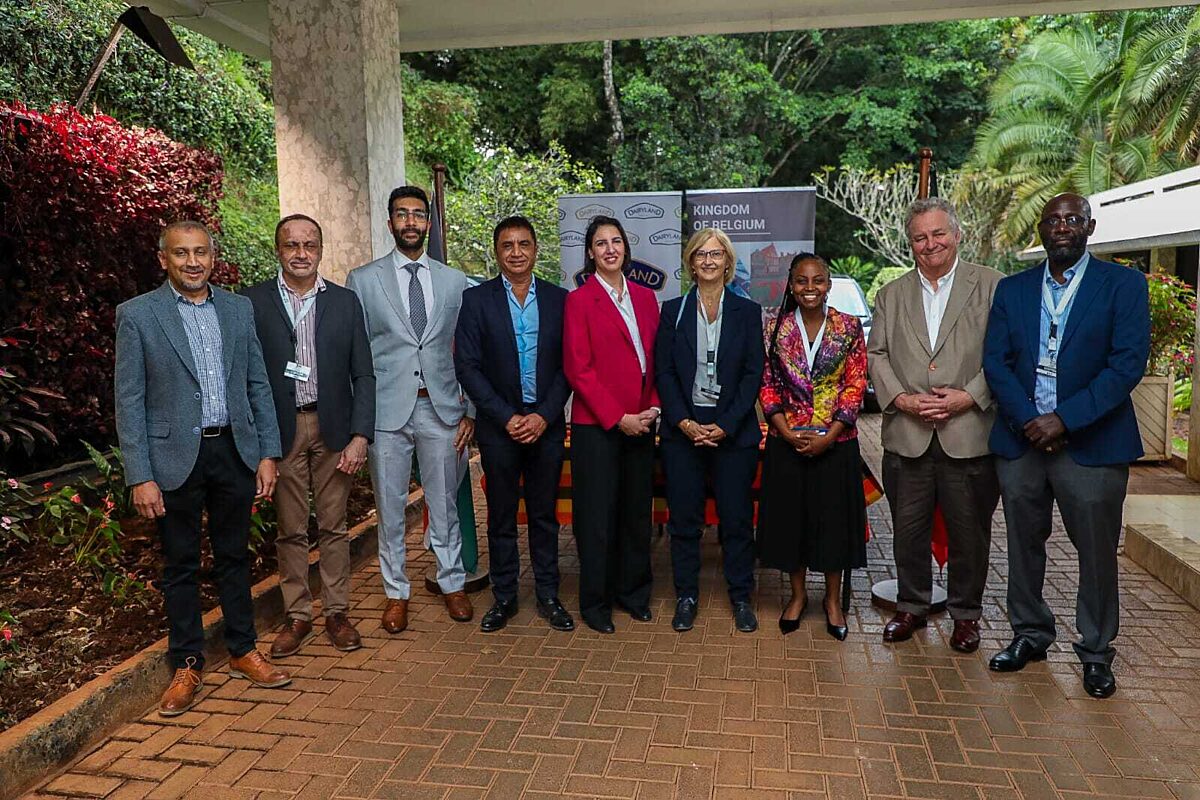
BIO's signing with Glacier in Kenya
Development impacts
-
Local economic growth
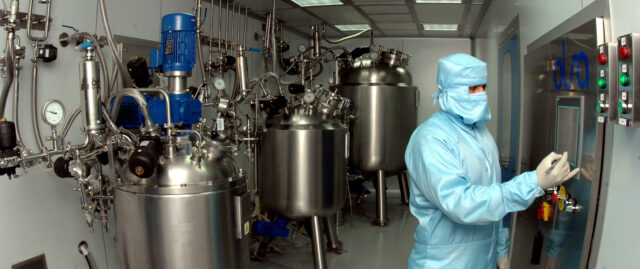
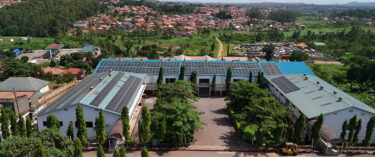
This investment will help modernize and upgrade the production capacity of the largest ice-cream producer in Kenya and the only large-scale chocolate producer in East Africa. With the construction of a state-of-the-art factory that relies on the most modern techniques and machines, the investment will bring substantial quality and efficiency gains.
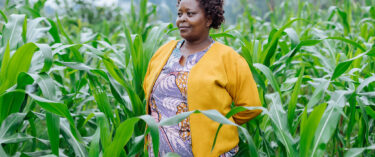
It will help promote high quality standards in the dairy supply chain, with an extended quality team, several process and product certifications (FSSC 22000/HACCP) and an advisory role to cooperatives on key quality considerations (e.g. milk tank, testing procedures, chilling and cold room specifications).The investment will increase volumes of milk sourced primarily (around 80%) from local small‑scale farmers by expanding the number of partner cooperatives—from four currently to five—each serving between 500 and 2,500 farmers with herds of 4–50 cows. Through these cooperatives, Glaciers currently reaches around 7,100 small‑scale farmers, a figure expected to grow to 12,425 by 2028, including a significant proportion of women, thereby strengthening aggregation channels and offering an alternative to dominant large‑scale processors and informal market outlets.
This growth in supply will be underpinned by long‑term, formal contractual partnerships with small- and medium-sized cooperatives, based on annual contracts that define volumes, pricing and quality specifications, alongside the payment of a quality premium (approximately 4%). These arrangements provide cooperatives and their member farmers with greater stability and improved income prospects, while being complemented by quality advisory services and indirect farmer support on quality standards and best practices—sometimes through partner programmes such as USAID—thus securing a reliable supply of high‑quality milk for Glacier.
-
Food security & rural development
By investing in a state‑of‑the‑art factory and advanced quality systems, it raises production efficiency and food safety standards while upgrading the dairy value chain. At the same time, it promotes higher quality and sustainability standards across the sector, reinforcing inclusive rural development and a reliable supply of high‑quality dairy inputs.
-
Promotion of ESG best practices
Further strengthening the E&S management of a company that is already committed to responsible business practices (e.g. E&S policy, food safety certifications) and relevant E&S standards, building on the ongoing improvements related to the ESAP developed by Agri‑Vie, and further supported by BIO’s ESAP. This includes actions aimed at E&S policy consolidation, further formalization of HR‑related aspects—including a 6% yearly increase in wages—improved monitoring of energy and water consumption, and a more detailed and transparent approach to supply chain management.
As part of the ESAP requirements, the project aims to improve the current procurement policy and develop a robust milk supply chain sustainability policy. This will clarify supplier identification and selection criteria (including objectives, exclusion criteria, minimum requirements, certifications and monitoring) and define a sustainability approach for smallholder farmers, covering pricing mechanisms, quality premiums, capacity building, traceability, and stakeholder engagement, with the ultimate goal of ensuring long‑term relationships with cooperatives and fair benefits for farmers.
E&S Impact
Glacier will develop a community engagement plan and an external grievance mechanism. Energy consumption will be measured and monitored in order to establish measures to reduce consumption.
Given that Kenya suffers from water shortages, similar actions will be taken for water. Improvements to be made to the waste management plan of the client. Finally, a sustainable supply chain policy will be developed to integrate the risks associated with the supply chain.
E&S classification of the project: B
𝘛𝘩𝘦 𝘪𝘯𝘷𝘦𝘴𝘵𝘮𝘦𝘯𝘵 𝘪𝘯 Glacier 𝘣𝘦𝘯𝘦𝘧𝘪𝘵𝘴 𝘧𝘳𝘰𝘮 𝘌𝘋𝘍𝘐 TGVC, 𝘢 𝘨𝘶𝘢𝘳𝘢𝘯𝘵𝘦𝘦 𝘮𝘢𝘯𝘢𝘨𝘦𝘥 𝘣𝘺 𝘌𝘋𝘍𝘐 𝘔𝘢𝘯𝘢𝘨𝘦𝘮𝘦𝘯𝘵 𝘊𝘰𝘮𝘱𝘢𝘯𝘺 𝘢𝘯𝘥 𝘧𝘶𝘯𝘥 𝘦𝘥 𝘣𝘺 𝘵𝘩𝘦 𝘌𝘶𝘳𝘰𝘱𝘦𝘢𝘯 𝘜𝘯𝘪𝘰𝘯 𝘶𝘯𝘥𝘦𝘳 𝘵𝘩𝘦 𝘌𝘍𝘚𝘋+ 𝘱𝘳𝘰𝘨𝘳𝘢𝘮𝘮𝘦, 𝘢𝘴 𝘱𝘢𝘳𝘵 𝘰𝘧 𝘵𝘩𝘦 𝘌𝘜’ 𝘴 𝘎𝘭𝘰𝘣𝘢𝘭 𝘎𝘢𝘵𝘦𝘸𝘢𝘺 𝘴𝘵𝘳𝘢𝘵𝘦𝘨𝘺.
View more of our investments in this region

Acumen Resilient Agriculture Fund II (ARAF II)
5,000,000.00
Côte d'Ivoire, Egypt, Ethiopia, Ghana, Kenya, Morocco, Nigeria, Senegal, Tanzania, Uganda
06/07/2026
Equity